
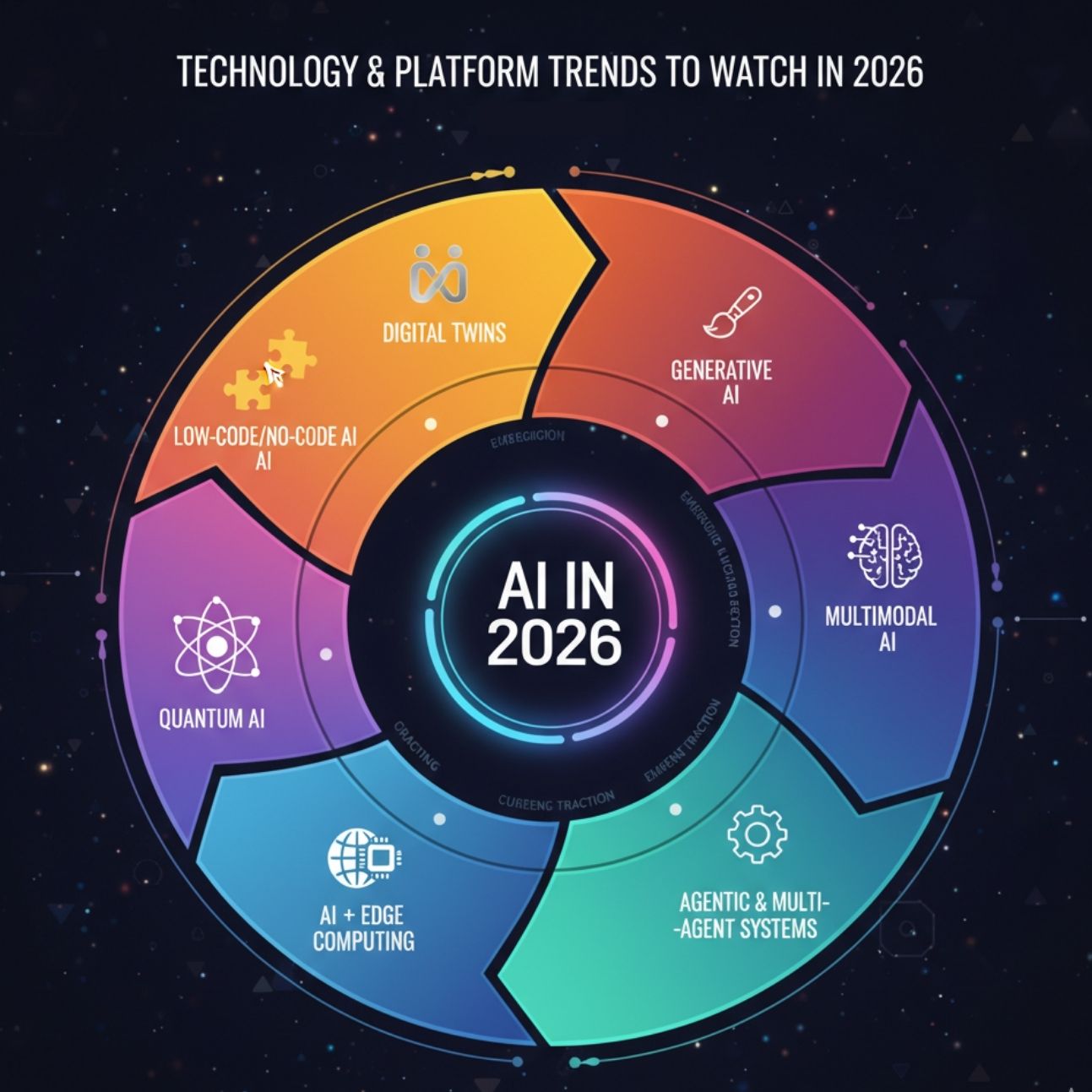
The integration of artificial intelligence (AI) into various sectors is revolutionizing the way economies function, giving rise to what is now commonly referred to as the smart economy. This transformation is characterized by enhanced efficiency, improved decision-making processes, and innovative business models that leverage data-driven insights. AI’s ability to analyze vast amounts of data quickly and accurately enables organizations to optimize operations and deliver personalized experiences, driving economic growth in unprecedented ways.
One of the key ways AI powers the smart economy is through automation. By automating routine tasks across industries such as manufacturing, finance, healthcare, and retail, businesses can reduce costs while increasing productivity. For example, AI-powered robots on factory floors perform repetitive tasks with precision and speed that surpass human capabilities. In financial services, algorithms detect fraudulent transactions in real time and manage risk more effectively than traditional methods. Such automation not only streamlines workflows but also frees human workers to focus on higher-value activities that require creativity and strategic thinking.
AI also plays a crucial role in enhancing decision-making through predictive analytics. Organizations harness machine learning models to forecast market trends, consumer behavior, supply chain disruptions, and even environmental changes. These insights enable companies to make proactive decisions rather than globalrule.substack.com reactive ones-adjusting inventory levels before shortages occur or tailoring marketing campaigns based on predicted customer preferences. Governments too benefit from these capabilities by improving public services like traffic management or energy distribution using AI-based predictions.
Moreover, AI fosters innovation by enabling new products and services tailored specifically for individual needs. Personalized recommendations powered by recommendation engines have transformed e-commerce platforms into highly efficient marketplaces where consumers find relevant products effortlessly. In healthcare, AI assists doctors in diagnosing diseases earlier by analyzing medical images with higher accuracy than ever before. This shift toward customization enhances user satisfaction while opening up new revenue streams for businesses willing to adopt intelligent technologies.
The smart economy also benefits from improved connectivity facilitated by AI combined with Internet of Things (IoT) devices. Smart cities utilize sensor networks integrated with AI systems to monitor infrastructure health or optimize resource usage such as water and electricity consumption-leading to sustainable urban development practices that balance economic growth with environmental stewardship.
Despite these advantages, challenges remain including ethical concerns around privacy protection and job displacement due to automation; however policymakers are increasingly focused on creating frameworks that encourage responsible AI use while promoting workforce reskilling programs.
In conclusion, artificial intelligence serves as a fundamental driver behind the emergence of the smart economy by boosting efficiency through automation; enhancing predictive capabilities for better decision-making; fostering innovation via personalized solutions; and enabling smarter resource management through connected technologies. As adoption continues expanding globally across sectors both public and private alike stand poised to reap significant economic benefits fueled by ongoing advances in AI technology.